Biometric Advances Reshaping Secure Entry to Online Blackjack and Slots
Written by Viktor Krüger · Oct 20, 2026
Biometric Advances Reshaping Secure Entry to Online Blackjack and Slots
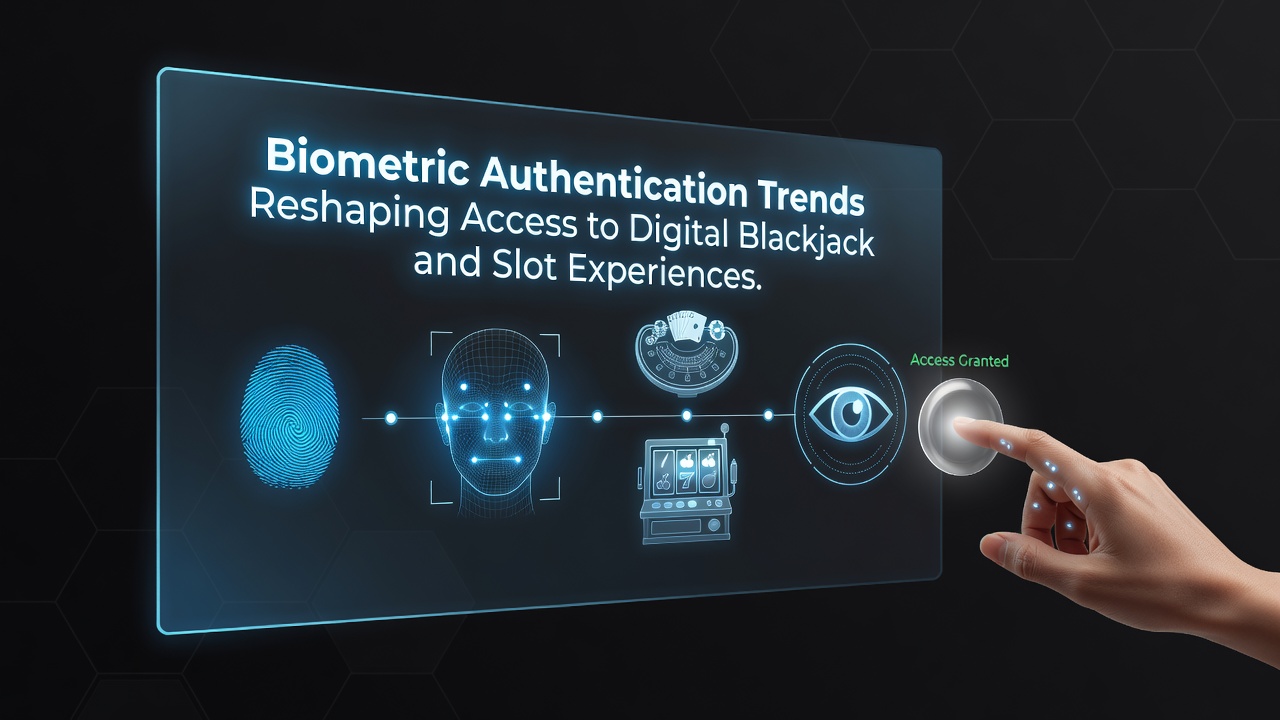
Biometric authentication continues to expand across digital gaming platforms, where facial recognition, fingerprint scanning, and voice analysis now handle player verification for blackjack tables and slot machines with increasing precision. Data from industry analyses shows these methods reduce reliance on traditional passwords while meeting regulatory standards in multiple jurisdictions, and operators report faster login processes that keep sessions uninterrupted during live dealer games or progressive slot rounds.
Current Adoption Patterns in Digital Gaming
Platforms serving blackjack enthusiasts have integrated multi-factor biometric systems that combine facial recognition with device-based fingerprint checks, allowing players to access tables without entering credentials each time. In October 2026 regulatory updates from the Nevada Gaming Control Board highlighted how these tools align with responsible gaming requirements, since liveness detection features confirm user presence and block automated bots from participating in real-money rounds. Slot operators have followed similar paths, deploying voice biometrics for quick account access on mobile apps where users spin reels after a brief spoken passphrase.
Research from the National Institute of Standards and Technology indicates error rates for facial recognition in controlled environments have dropped below 0.1 percent when combined with infrared imaging, which helps platforms distinguish between live players and photos or videos. This accuracy supports high-volume environments such as online blackjack tournaments, where hundreds of participants join simultaneously and need seamless entry without delays.
Technical Trends Driving Implementation
Artificial intelligence now powers liveness detection algorithms that analyze micro-movements in facial features or subtle breathing patterns captured by device cameras, and these enhancements address spoofing attempts that once challenged earlier biometric setups. Observers note that contactless options have gained traction because players prefer not touching shared surfaces, even virtually, while iris scanning via smartphone cameras offers an additional layer for high-stakes slot sessions where account security directly affects withdrawal processes.
Integration with existing payment gateways allows biometric data to link directly to verified banking details, which streamlines compliance checks required by international gaming authorities. One study from a European research consortium found that platforms using hybrid biometric models experienced a 40 percent reduction in account takeover incidents compared to password-only systems, particularly in regions with strict data protection rules.
Regional Regulatory Influences
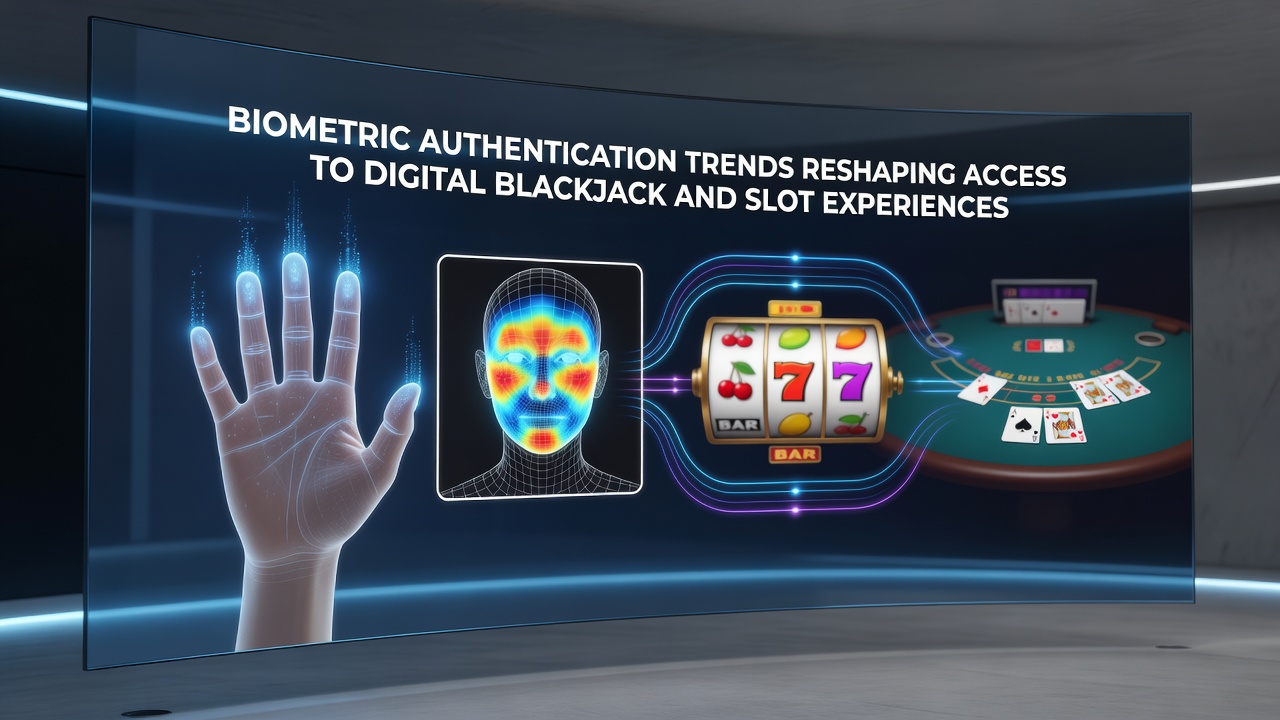
Authorities in Australia and Canada have issued guidelines encouraging biometric adoption for age verification and self-exclusion enforcement, which ensures excluded individuals cannot create new accounts through altered credentials. These frameworks require encrypted storage of biometric templates rather than raw images, reducing privacy risks while enabling operators to maintain audit trails for dispute resolution in blackjack disputes or slot payout reviews.
Cross-border platforms must navigate varying standards, yet many now employ modular systems that adapt verification strength based on player location and transaction size. Figures from gaming trade associations reveal that biometric logins have increased session retention rates on slot sites, because returning users complete fewer steps before resuming play on favorite machines.
Future Directions and Integration Challenges
Developers continue refining edge computing solutions that process biometric data directly on user devices, which limits transmission of sensitive information to central servers and aligns with emerging global data minimization principles. Blackjack live-stream providers have tested wearable integrations such as smartwatch heart-rate monitors as supplementary authenticators, although widespread rollout remains limited by hardware compatibility across player bases.
Hardware advancements in smartphone sensors support higher-resolution scans without additional equipment, and this accessibility broadens adoption among casual slot players who previously avoided complex verification flows. Industry reports emphasize ongoing collaboration between technology firms and gaming operators to standardize interoperability, ensuring biometric profiles transfer securely when users switch between different casino applications.
Conclusion
Biometric authentication trends continue to influence how players enter digital blackjack and slot environments by prioritizing speed, accuracy, and regulatory alignment. Platforms adopting these methods report measurable gains in security metrics and user retention, while regional authorities provide frameworks that balance innovation with consumer protections. As device capabilities advance further into late 2026, the role of biometrics in gaming access is expected to expand through refined algorithms and broader hardware support.